Step 1 of 4 · Obsession
The thought
“Did I lock the door? What if I didn’t?”
An intrusive thought, image, or doubt shows up. Most people can let a doubt pass. In an OCD loop, the mind treats it as an emergency that must be solved right now.
Education · picture, not a test
Words help. A picture often helps more. This is a lived-experience map of the cycle — obsession, anxiety, compulsion, short relief — so the pattern is easier to spot. It is not a diagnosis and not a treatment plan.
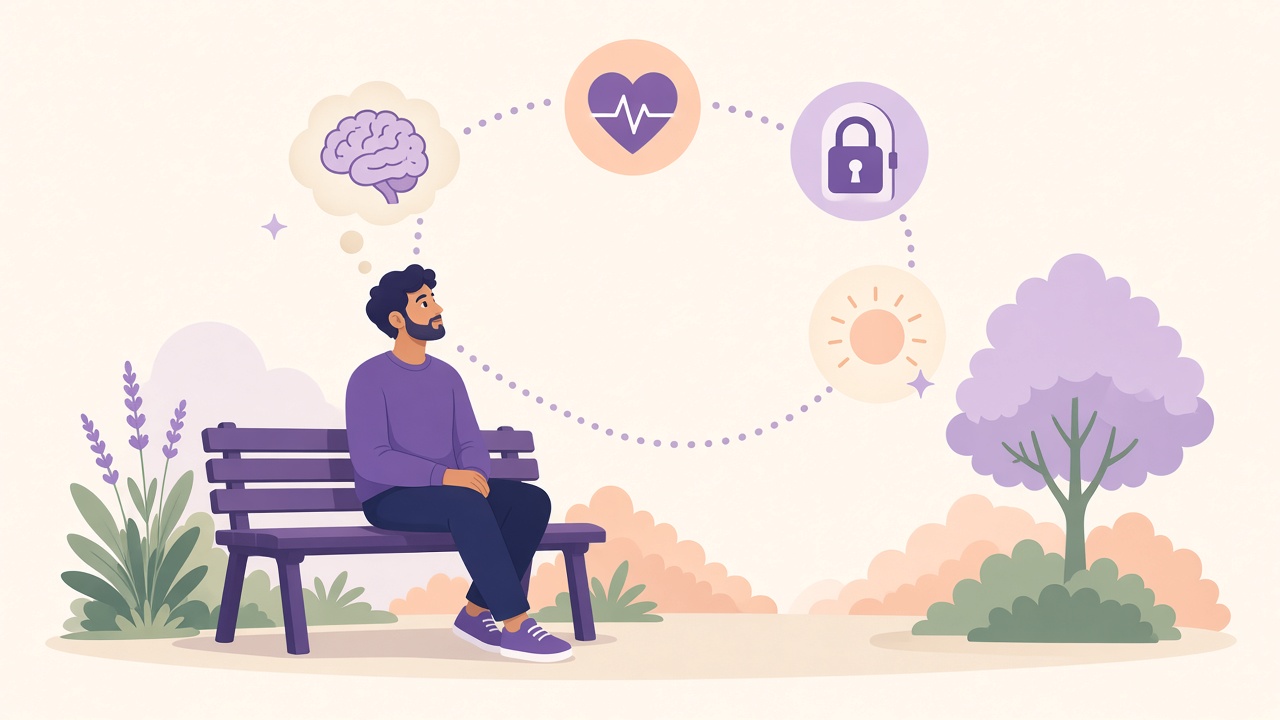
Tap a step, or play it through. Same loop, different themes.
Step 1 of 4 · Obsession
“Did I lock the door? What if I didn’t?”
An intrusive thought, image, or doubt shows up. Most people can let a doubt pass. In an OCD loop, the mind treats it as an emergency that must be solved right now.
The body can ring like a fire alarm when there is no fire. Then the feet walk back to the door “just to be sure.”
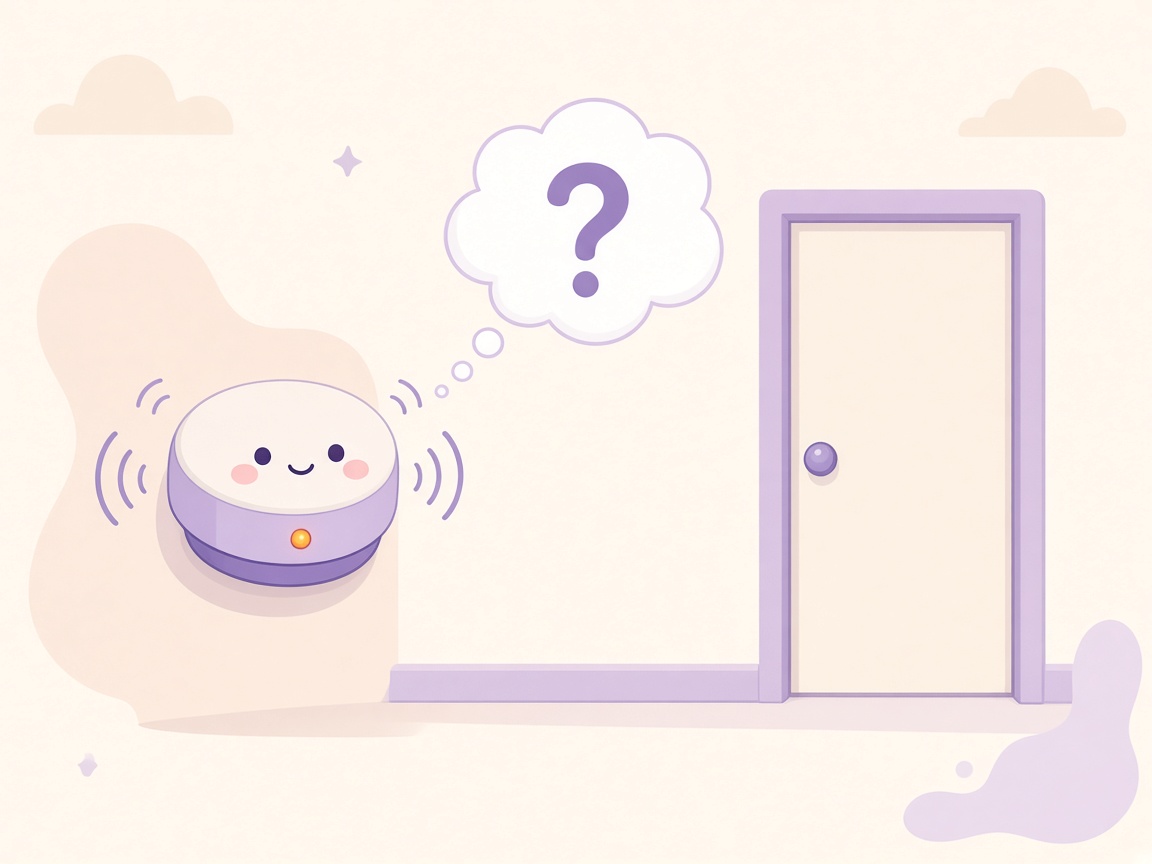
The siren is loud. The house is not burning. OCD often treats a thought like smoke.
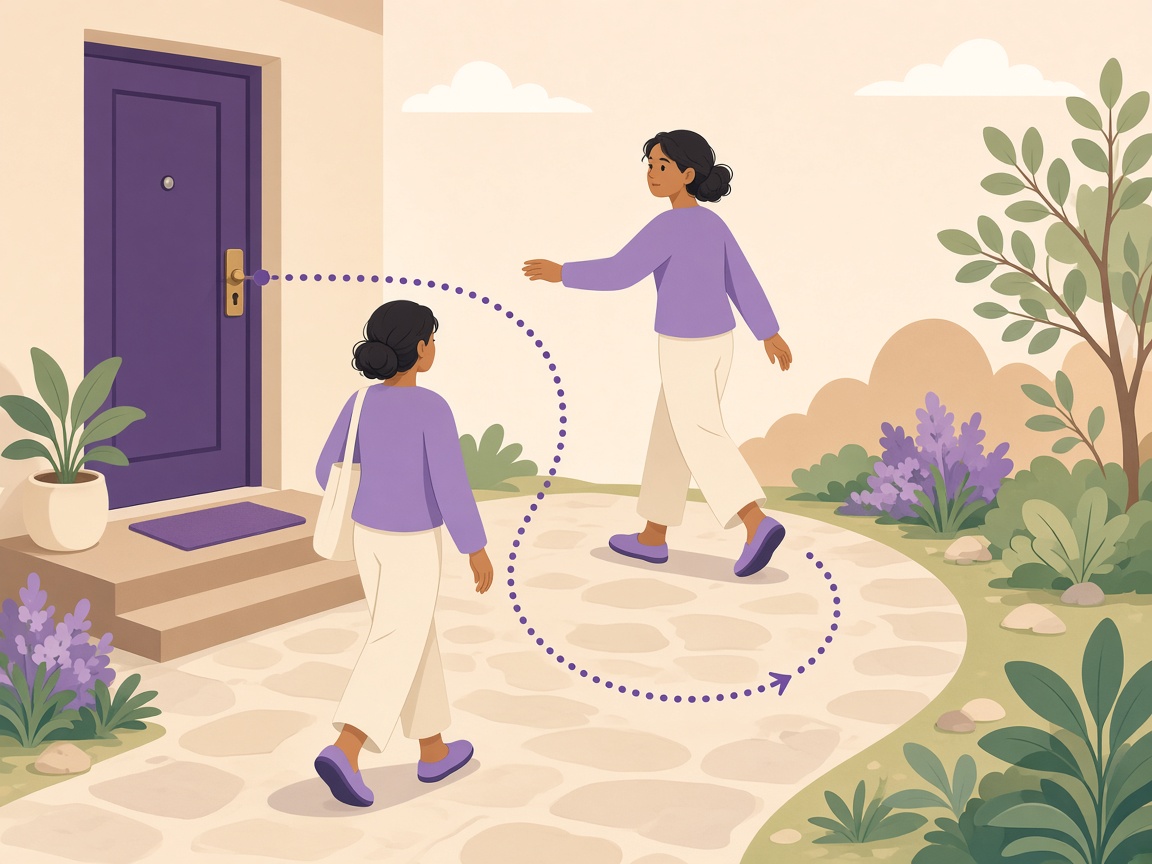
Checking can look ordinary. The loop is the turning around, again, for a certainty that does not last.

Above the water: washing, checking, asking. Below it: replaying a memory, counting, neutralizing a thought, seeking a “right” feeling. Both count as the action step. People often miss the hidden half and think they are “only thinking.”
The mind notices something, feels a pinch of uncertainty, and moves on. No ritual is required to “close the file.”
The same doubt is treated as a threat. The ritual turns the volume down for a moment, which teaches the alarm to ring next time.
Education, not a homework plan: many people learn that sitting with the urge — without the ritual — lets the spike rise and fall on its own. Clinicians often call that exposure and response prevention (ERP). We do not run ERP here. A trained person still guides that work.
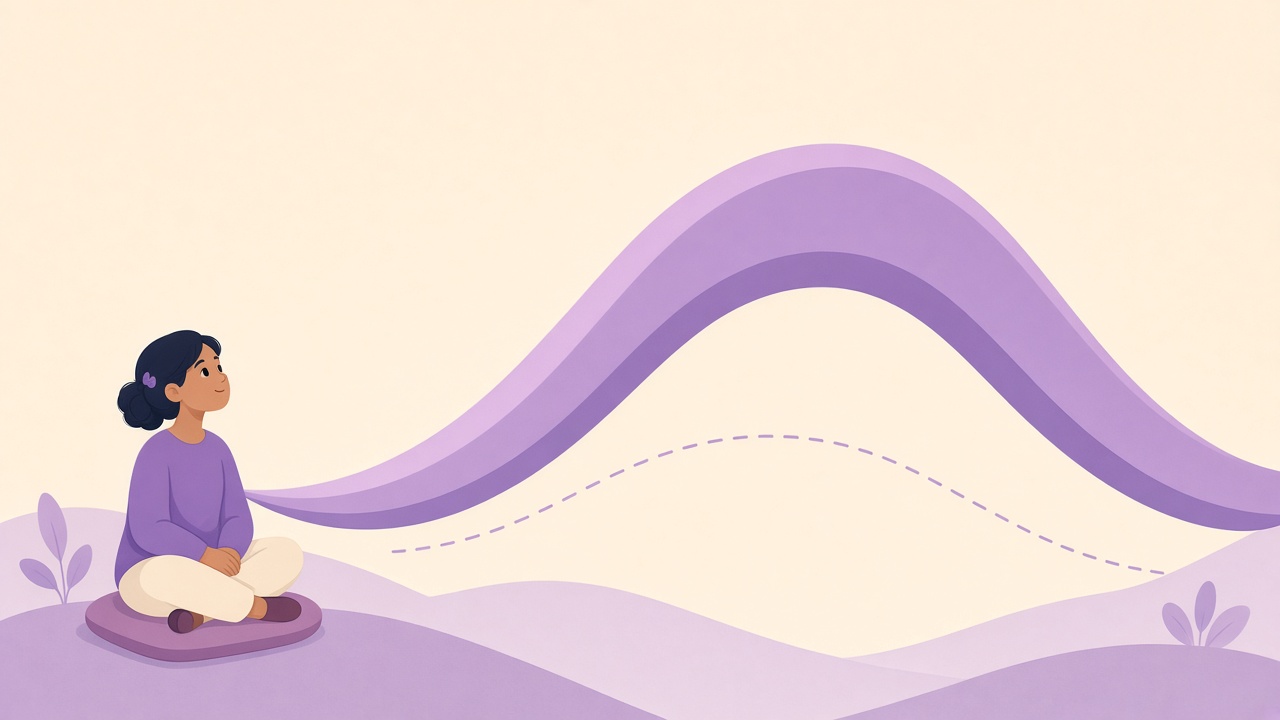
The content changes. The cycle is often the same. Browse types when you want names for a theme.
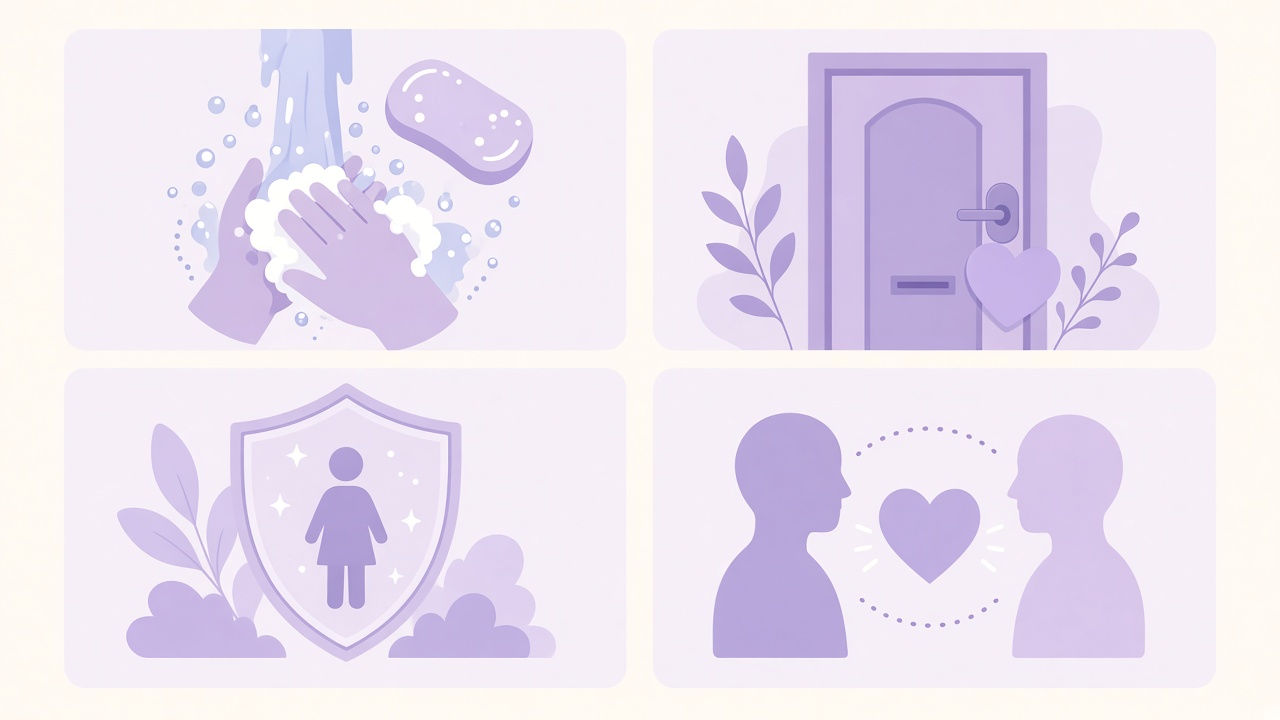
Dirt, germs, or a feeling of being “wrong” until you wash or clean.
Locks, stove, messages, “did I hurt someone?” — certainty that never lasts.
Fear of causing harm, and rituals to prove you would never.
Endless testing of feelings, attraction, or “the right” person or self.